Nicotinamide adenine dinucleotide (NAD+) is a key coenzyme in energy metabolism and cellular repair. Interest in supplements that may support NAD+ levels, such as creatine and green superfood powders, has grown, particularly for adults focused on metabolic health and longevity.
Current research suggests creatine may influence NAD+ metabolism indirectly by modulating cellular energy demand, while greens powders provide micronutrients and polyphenols that support redox balance. Evidence for measurable changes in NAD+ or related biomarkers over 90 days is limited but biologically plausible.
“This article contains affiliate links, meaning we may earn a commission if you make a purchase through these links at no additional cost to you.”
“Disclosure: We are a professional review site that receives compensation from the companies whose products we review. Results are not typical and your results may vary.”
Table of Contents
ToggleWhat the Research Actually Shows
Creatine and NAD+ Biology
Creatine’s primary role is in phosphocreatine energy buffering, but emerging studies indicate:
- Creatine supplementation may affect NAD+/NADH ratios indirectly by altering ATP/ADP cycling
- In muscle and neuronal cells, creatine can reduce oxidative stress, which may preserve NAD+ pools
- Most human trials measure functional outcomes (strength, fatigue, recovery) rather than direct NAD+ levels
Greens Powders and NAD+ Support
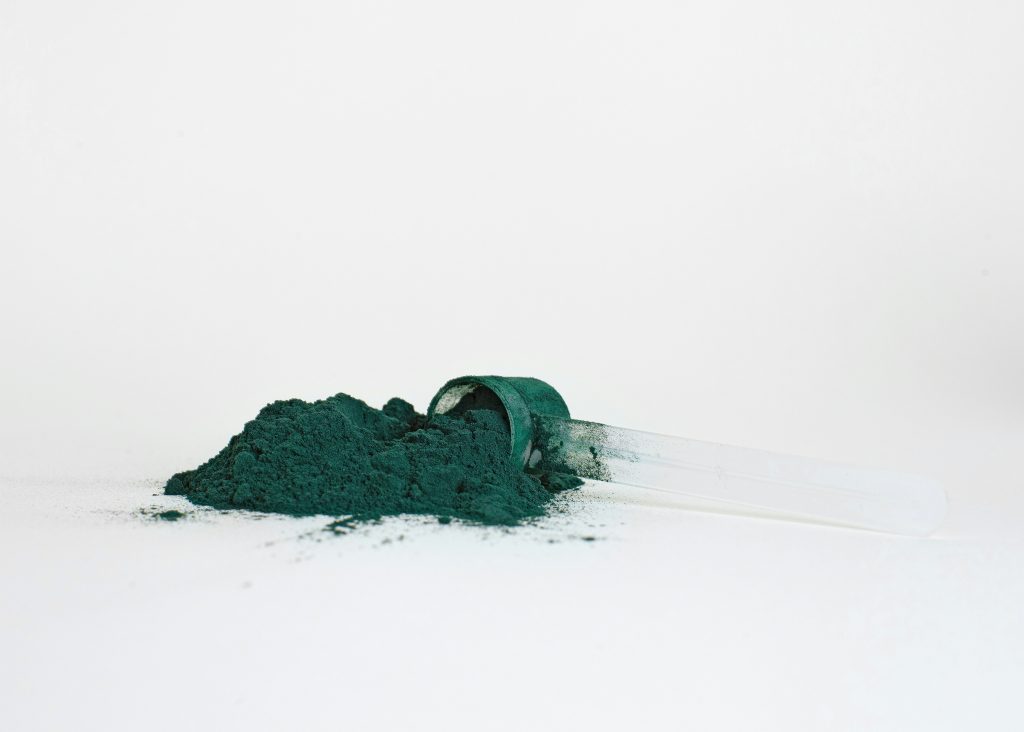
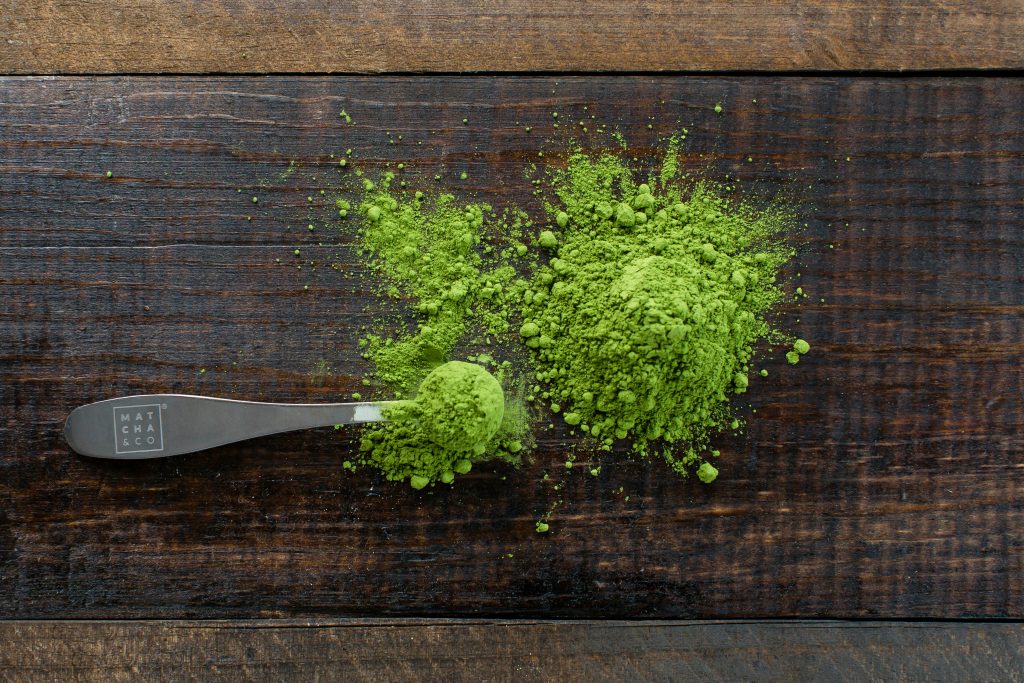
Greens powders are rich in:
- Polyphenols and carotenoids
- Vitamins (B complex, C, K)
- Minerals (magnesium, zinc)
These compounds contribute to:
- Redox balance, reducing NAD+ consumption due to oxidative stress
- Cofactor availability for enzymes involved in NAD+ synthesis
- Support for sirtuin pathways, which depend on NAD+ for activity
Currently, no clinical trials have directly tested a combination of creatine plus greens powder on NAD+ markers in humans over 90 days.
Mechanisms: How These Supplements Might Influence NAD+
- Energy Demand Modulation – Creatine buffers ATP, potentially reducing excessive NAD+ oxidation in high-energy tissues.
- Oxidative Stress Reduction – Greens polyphenols may lower ROS, preserving NAD+ for enzymatic reactions.
- Cofactor Availability – Vitamins and minerals in greens powders provide essential support for NAD+ biosynthesis pathways (e.g., NAMPT, NMN).
- Sirtuin Support – By maintaining NAD+ levels, both supplements may indirectly support sirtuin activity, which regulates metabolic health and cellular repair.
Real-World Effectiveness
In practice, adults supplementing with creatine and greens powders for 90 days may experience:
- Increased muscular energy efficiency and reduced fatigue (creatine)
- Improved antioxidant status and micronutrient sufficiency (greens powders)
- Potential stabilization of NAD+/NADH ratios
However:
- Direct measurable increases in NAD+ in blood or tissues are rarely documented in short-term trials
- Individual responses may vary based on baseline nutrition, age, and metabolic health
The combination may support the cellular environment for NAD+ preservation, but substantial changes are unlikely without concurrent lifestyle interventions such as exercise, calorie management, and sleep optimization.
Misconceptions vs Reality
Misconception: Creatine directly increases NAD+
Reality: Creatine influences cellular energy buffering, which may indirectly affect NAD+ turnover, but it does not supply NAD+ precursors.
Misconception: Greens powders alone boost NAD+ levels
Reality: Polyphenols and micronutrients support redox balance and enzyme function, which may conserve NAD+, but do not directly generate NAD+.
Misconception: 90 days guarantees significant NAD+ improvements
Reality: NAD+ metabolism is tightly regulated. Short-term supplementation may preserve or slightly improve markers, but dramatic changes are unlikely without lifestyle synergy.
Safety Considerations
- Creatine: Safe in doses up to 5 g/day for healthy adults; may cause mild GI discomfort or water retention.
- Greens powders: Generally well tolerated; check for heavy metals, herb-drug interactions, and digestive tolerance.
- Combined use: No known adverse interactions, but monitoring total nutrient intake is prudent.
What We Still Don’t Know
- The degree to which creatine and greens powders affect blood NAD+ levels or NAD+/NADH ratios in humans
- Optimal dosing, timing, and formulation for combined effects
- Long-term implications for aging and metabolic markers beyond 90 days
- Differences between tissue-specific NAD+ (muscle, brain) versus circulating levels
Bottom Line: Creatine and Greens for NAD+ Markers
Supplementing with creatine and green superfood powders may provide indirect support for NAD+ metabolism by improving energy buffering, reducing oxidative stress, and supporting enzymatic cofactors.
- Direct increases in NAD+ markers over 90 days are uncertain
- Benefits are likely modest, preventive, and supportive rather than restorative
- Integration with exercise, balanced diet, and sleep is essential for meaningful NAD+ and cellular health outcomes
References
- Creatine supplementation and cellular energy metabolism. Nutrients.
https://pmc.ncbi.nlm.nih.gov/articles/PMC12390858/ - Effect of magnesium supplementation on serum magnesium levels: A systematic review and meta-analysis. Nutrients.
https://pmc.ncbi.nlm.nih.gov/articles/PMC9065397/ - NAD+ metabolism and the control of energy homeostasis. Nature Reviews Endocrinology.
https://www.nature.com/articles/s44324-025-00067-0 - Nicotinamide riboside supplementation in humans: NAD+ metabolism and oxidative stress. Cell Metabolism.
https://pubmed.ncbi.nlm.nih.gov/22682224/ - Dietary polyphenols and NAD+ dependent sirtuin activity.Antioxidants.
https://pubmed.ncbi.nlm.nih.gov/41390602/