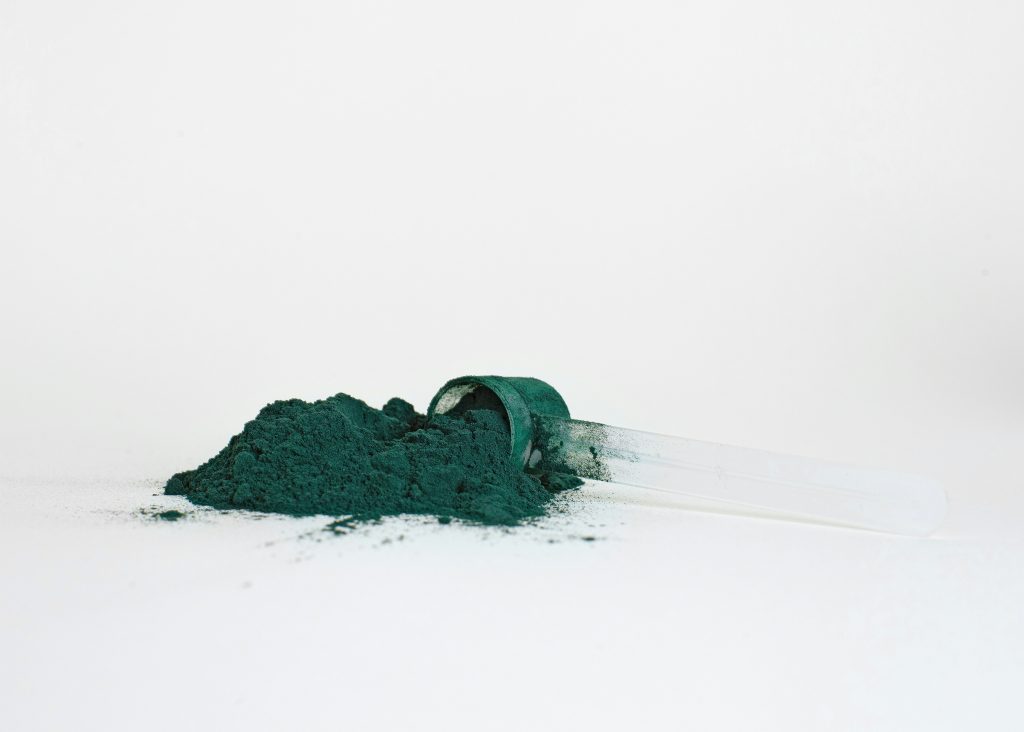
Blended greens powders with collagen are often marketed as a “two-in-one” solution for aging—combining plant micronutrients with structural protein support. The question is whether they actually influence measurable skin and joint biomarkers in men over 50.
The short answer: collagen peptides show modest, measurable effects on certain skin biomarkers (elasticity, hydration) and possibly joint comfort, while greens powders contribute indirectly through micronutrient and antioxidant support. However, evidence for the combined formula is limited, and results are often smaller than marketing suggests.
“This article contains affiliate links, meaning we may earn a commission if you make a purchase through these links at no additional cost to you.”
“Disclosure: We are a professional review site that receives compensation from the companies whose products we review. Results are not typical and your results may vary.”
Table of Contents
ToggleWhat the Research Actually Shows
Collagen and Skin Biomarkers
Randomized controlled trials consistently show that oral collagen peptides may influence measurable skin parameters:
- Increased skin elasticity
- Improved hydration
- Reduced wrinkle depth
- Better barrier function
These changes are typically observed after 8–12 weeks of daily intake in controlled settings. Some trials report statistically significant improvements in wrinkle scores and elasticity compared to placebo.
However, larger meta-analyses introduce nuance:
- Benefits are modest, not transformative
- Some analyses suggest effects are stronger in industry-funded studies
- High-quality independent trials show more variable outcomes
Collagen and Joint Biomarkers
Evidence for joint-related outcomes is less consistent but still relevant:
- Some trials show improvements in joint comfort and mobility
- Effects appear more noticeable in individuals with existing joint stress (e.g., aging or activity-related wear)
Importantly, most studies measure symptoms or functional outcomes, not direct structural regeneration.
Greens Powders Alone
Greens powders typically contain:
- Polyphenols
- Vitamins (C, K, folate)
- Minerals (magnesium, potassium)
- Plant compounds (chlorophyll, carotenoids)
These are associated with:
- Reduced oxidative stress
- Support for collagen synthesis pathways (especially vitamin C)
- General metabolic health
But greens powders alone are not directly linked to measurable changes in skin elasticity or joint biomarkers in clinical trials.
Mechanisms: How This Combination Might Work
1. Collagen Peptides as Structural Signals
After ingestion, collagen is broken down into amino acids and peptides (e.g., glycine, proline, hydroxyproline). These may:
- Stimulate fibroblast activity
- Support extracellular matrix production
- Influence signaling pathways related to collagen synthesis
2. Micronutrients Supporting Collagen Turnover
Greens powders may enhance the environment for collagen function:
- Vitamin C supports collagen formation
- Polyphenols may reduce oxidative damage to connective tissue
- Magnesium and trace minerals are involved in protein synthesis
3. Anti-Inflammatory and Antioxidant Effects
Chronic low-grade inflammation is associated with:
- Collagen degradation
- Joint stiffness
- Skin aging
Plant compounds in greens powders may help modulate these pathways, though effects are indirect.
Real-World Effectiveness in Men Over 50
Men over 50 face several physiological shifts:
- Declining collagen production (~1–2% per year after early adulthood)
- Reduced skin elasticity and hydration
- Increased joint stiffness and cartilage wear
In this context:
- Collagen supplementation may provide incremental support
- Greens powders may fill micronutrient gaps that influence tissue health
However:
- Effects are typically subtle and gradual
- Outcomes depend heavily on baseline nutrition, protein intake, and lifestyle
This is not a replacement for adequate dietary protein, resistance training, or overall nutrient density.
Misconceptions vs Reality
Misconception: Collagen directly “rebuilds” skin and joints
Reality: Collagen is digested into amino acids. Benefits likely come from signaling effects and improved substrate availability—not direct tissue replacement.
Misconception: Greens powders are equivalent to vegetables
Reality: They provide concentrated nutrients but lack fiber, water content, and food matrix effects of whole plants.
Misconception: Combination formulas are synergistic by default
Reality: There is limited direct research on greens + collagen blends specifically. Benefits are inferred, not proven.
Safety Considerations
For most healthy adults, these products are generally well tolerated, but key considerations include:
- Protein load: Collagen adds to total daily protein intake
- Allergens: Marine or bovine collagen sources
- Digestive tolerance: Some users report bloating or mild GI discomfort
Men over 50 taking medications or managing chronic conditions should review supplement use with a clinician.
Contaminants and Quality Risks
This category is particularly vulnerable to quality issues:
Greens Powders
- Potential contamination with heavy metals (lead, cadmium)
- Pesticide residues in poorly sourced ingredients
Collagen
- Source-dependent contamination risk (marine vs bovine)
- Variability in peptide quality and molecular weight
What to Look For
- Third-party testing (NSF, USP, Informed Choice)
- Transparent sourcing
- Certificates of analysis (COAs)
What We Still Don’t Know
- Whether greens + collagen combinations outperform collagen alone
- Long-term effects beyond 3–6 months
- Outcomes specifically in men over 50, as many studies include mixed populations
- Optimal dosing strategies for combined formulations
Bottom Line: Greens Powders with Collagen Benefits
Greens powders with collagen may support certain skin and joint biomarkers associated with aging, but expectations should remain grounded:
- Collagen peptides show the strongest evidence, particularly for skin elasticity and hydration
- Greens powders play a supportive role, mainly through micronutrient and antioxidant pathways
- The combination is plausible but not well-studied as a unified intervention
For men over 50, these products may offer incremental support, not dramatic reversal of aging-related changes.
References
- Kim J, et al. (2022). Oral Supplementation of Low-Molecular-Weight Collagen Peptides Reduces Skin Wrinkles.
https://pubmed.ncbi.nlm.nih.gov/36516059/ - Czajka A, et al. (2018). Collagen peptides improve skin elasticity and joint wellbeing.
https://pubmed.ncbi.nlm.nih.gov/30122200/ - Lee E, et al. (2025). Skin Anti-Aging Effects of Collagen Peptide Supplementation.
https://pubmed.ncbi.nlm.nih.gov/40935395/ - American Journal of Medicine (2025). Effects of Collagen Supplements on Skin Aging: Meta-analysis.
https://www.sciencedirect.com/science/article/pii/S0002934325002839 - PMC Review (2024). Bioactive Collagen Peptides and Skin Health Mechanisms.
https://pmc.ncbi.nlm.nih.gov/articles/PMC12661388/