Can a Daily Greens Powder Raise Serum Magnesium? What the Evidence Actually Shows

Greens powders can modestly increase magnesium intake, but current evidence shows they rarely raise serum magnesium levels in adults. Because blood levels are tightly regulated and most magnesium is stored in bone and cells, standard tests may not reflect intake improvements. For meaningful magnesium support, combining magnesium-rich foods with well-absorbed supplements is more effective than relying on greens powders alone.

Can a Daily Greens Powder Raise Serum Magnesium? What the Evidence Actually Shows Read More »

Can 1 Tablespoon of Flaxseed Improve Your Omega-3 Index?

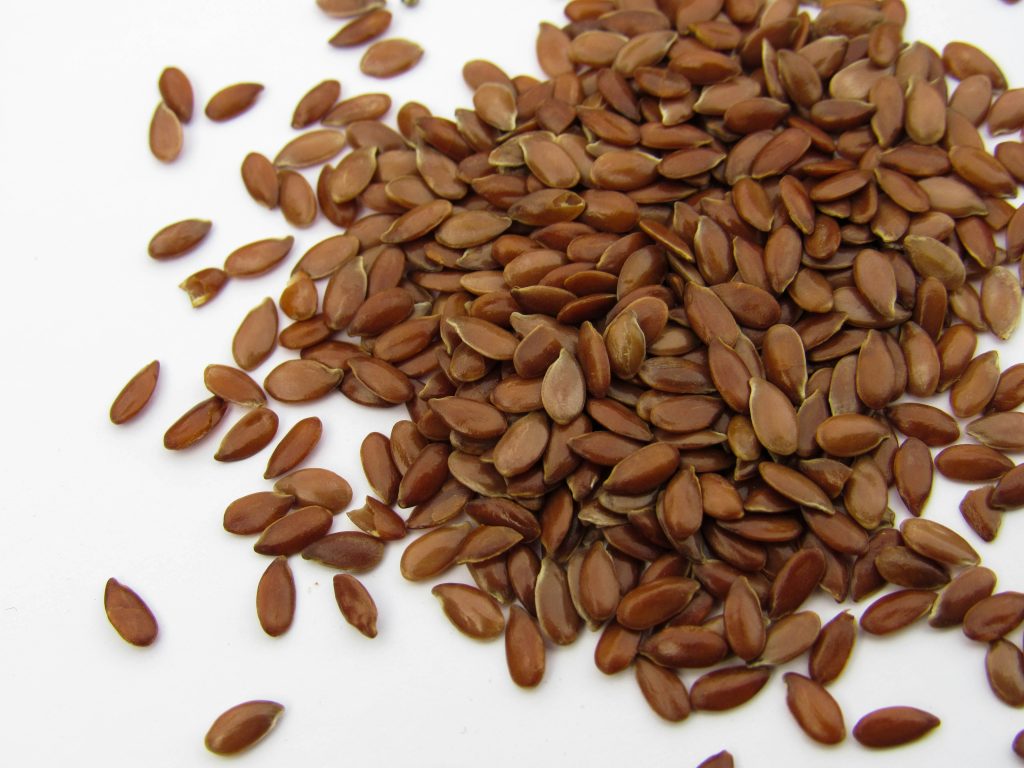
Adding one tablespoon of ground flaxseed to your daily smoothie provides a rich source of alpha-linolenic acid (ALA), a plant-based omega-3. However, because the Omega-3 Index measures EPA and DHA, the impact of flaxseed alone on this biomarker may be limited. Individual results vary depending on metabolism, diet, and lifestyle factors.

Can 1 Tablespoon of Flaxseed Improve Your Omega-3 Index? Read More »

Does Adding 5g Creatine Monohydrate to a Post-Workout Smoothie Influence DEXA-Measured Lean Mass Over 12 Weeks in Men Over 40?

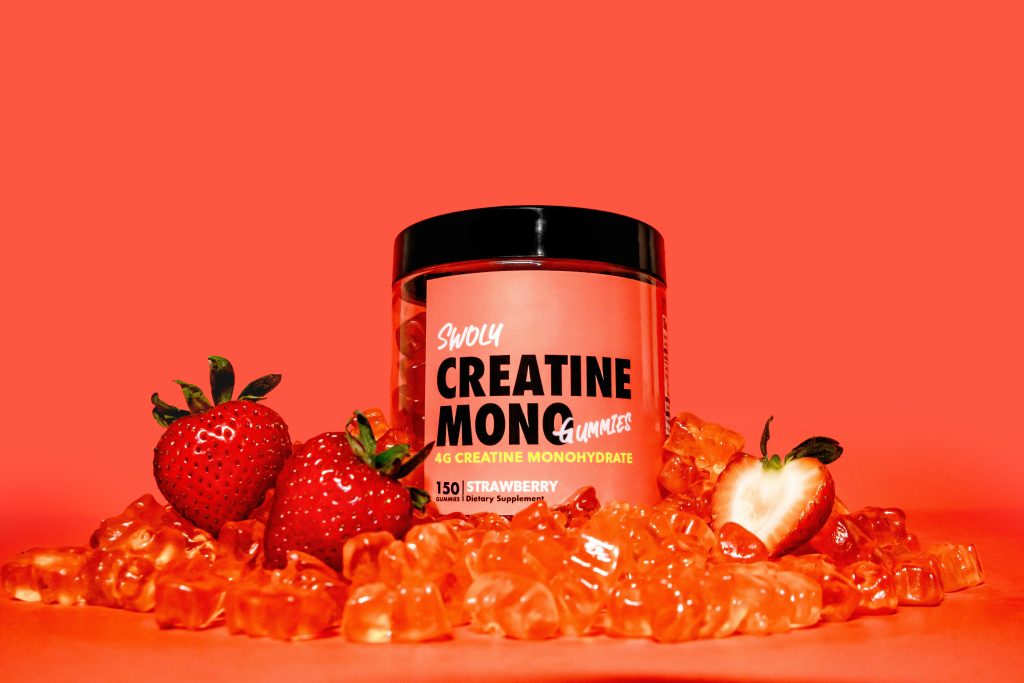
Creatine monohydrate is one of the most extensively studied supplements for improving strength and muscle mass. Research suggests that a daily dose of around 3–5 grams can enhance phosphocreatine stores in muscle, helping support energy production during high-intensity exercise. Over time, this increased training capacity may contribute to measurable gains in lean mass, particularly when combined with consistent resistance training.

Does Adding 5g Creatine Monohydrate to a Post-Workout Smoothie Influence DEXA-Measured Lean Mass Over 12 Weeks in Men Over 40? Read More »

Can Freezing Bananas Before Blending Alter Resistant Starch Content and Lower Post-Meal Insulin Response?

Freezing bananas before blending them into smoothies has become a popular tip in health circles, with some claiming it can increase resistant starch and help reduce blood sugar spikes. The science, however, is more nuanced. Bananas naturally change their carbohydrate composition as they ripen, with resistant starch declining and sugars increasing over time. While cooling cooked foods like rice or potatoes can create additional resistant starch through a process called retrogradation, bananas are typically frozen raw — meaning the same mechanism may not apply. Current research suggests that factors such as banana ripeness, smoothie ingredients, and individual metabolic differences likely play a much larger role in post-meal glucose response than freezing alone.

Can Freezing Bananas Before Blending Alter Resistant Starch Content and Lower Post-Meal Insulin Response? Read More »

How Does 20g of Whey Protein Affect Postprandial Glucose in Active Adults Over 40?

Can a simple 20-gram serving of whey protein help control blood sugar after meals? Research suggests that in active adults over 40, whey protein may help reduce postprandial glucose spikes by supporting insulin response, slowing carbohydrate absorption, and aiding muscle metabolism. Here’s what current evidence says about using whey protein to support healthier glucose control with age.

How Does 20g of Whey Protein Affect Postprandial Glucose in Active Adults Over 40? Read More »