The liver continuously filters blood, processes nutrients, and neutralizes harmful compounds through natural detoxification pathways. A diet rich in fruits, vegetables, antioxidants, and sulfur-containing compounds may support these normal processes (Hodges & Minich, 2015). There is no evidence that short-term “detox” cleanses outperform a balanced, plant-focused diet long-term (Klein & Kiat, 2015).
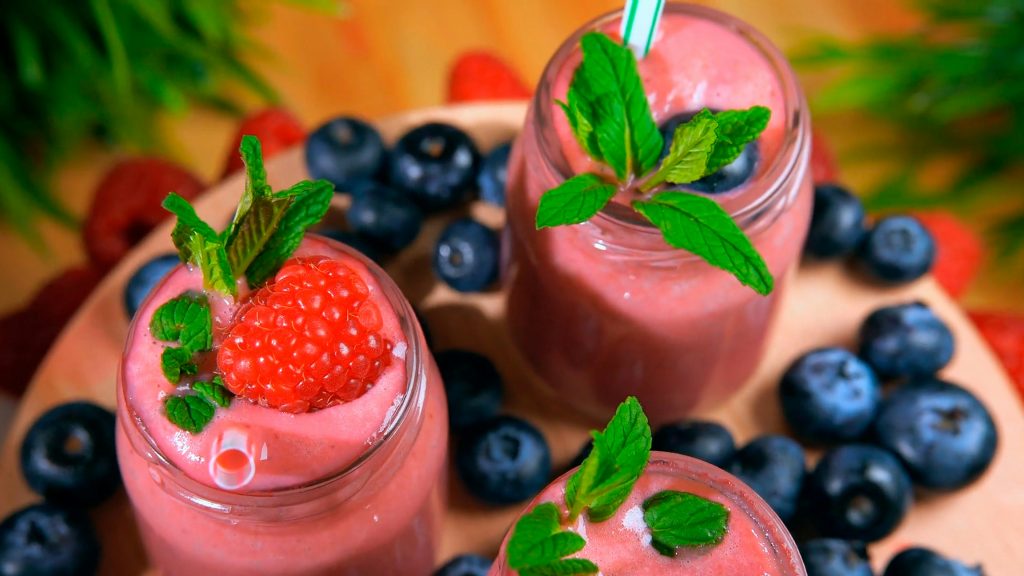
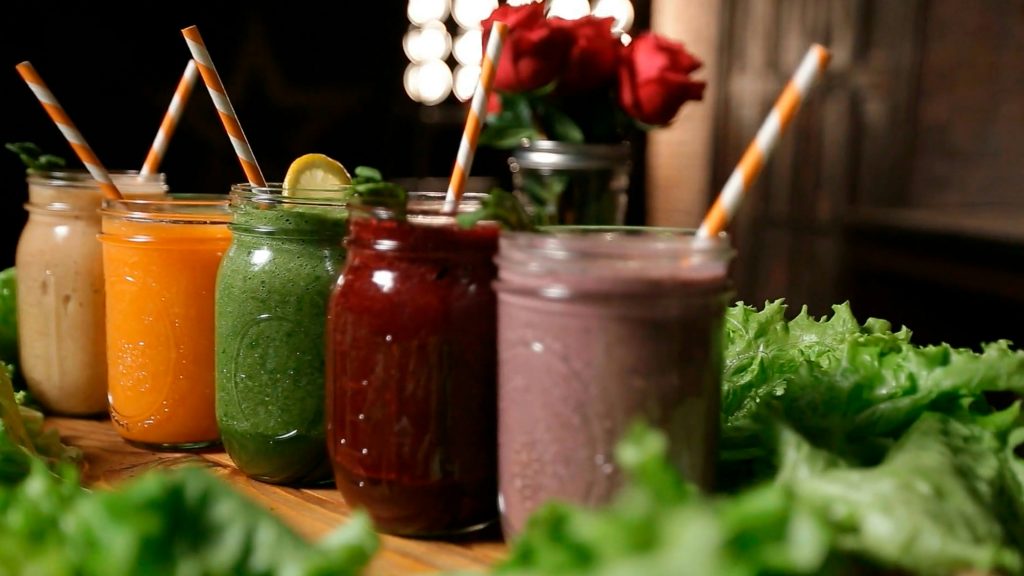
Smoothies are a convenient way to deliver liver-supportive nutrients in one glass. This guide highlights ingredients with the strongest human or clinical evidence and provides 10 practical recipes.
Table of Contents
ToggleHow Liver Detoxification Actually Works
The liver uses two main phases to make toxins water-soluble for elimination:
- Phase I (Cytochrome P450 enzymes): Transforms compounds, sometimes creating reactive intermediates. Antioxidants like vitamin C, flavonoids, and glutathione help protect cells during this step (Liska et al., 2006).
- Phase II (Conjugation): Neutralizes intermediates by attaching molecules such as glutathione, sulfate, or glucuronic acid. This phase relies on amino acids (glycine, taurine, glutamine) and sulfur compounds (Hodges & Minich, 2015).
A steady supply of nutrients from whole foods helps both phases run smoothly.
Key Liver-Supportive Ingredients Backed by Research
- Beets – Betalains may support Phase II enzyme activity, while betaine is linked to methylation processes (Clifford et al., 2015).
- Citrus (lemon/orange) – Rich in vitamin C, which supports glutathione regeneration (Johnston et al., 1996).
- Cruciferous greens (kale, spinach, broccoli) – Glucosinolates are linked to increased Phase II enzyme activity in humans (Lampe & Peterson, 2002).
- Turmeric + black pepper – Curcumin induces Phase II enzymes when paired with piperine (Hewlings & Kalman, 2017).
- Green tea – EGCG shows hepatoprotective effects in clinical studies (Takami et al., 2013).
- Berries – Anthocyanins reduce oxidative stress in liver tissue (Basu et al., 2010).
- Avocado – Provides glutathione and healthy fats for better absorption of fat-soluble antioxidants (Dreher & Davenport, 2013).
- Ginger & garlic – Ginger’s compounds may support antioxidant pathways (Grzanna et al., 2005); garlic’s allicin and sulfur compounds are linked to similar effects, including glutathione support (Banerjee et al., 2003).
10 Delicious Liver-Supporting Smoothie Recipes
- Beet-Citrus Glow ½ cup cooked beets, ½ orange (peeled), juice of ½ lemon, 1 cup spinach, 1 tsp ginger, 1 cup water. Supports bile flow and glutathione (Clifford et al., 2015; Johnston et al., 1996).
- Green Tea Cruciferous Boost ½ cup steamed broccoli, 1 cup cooled green tea, ½ banana, 1 cup kale, 1 tsp flaxseeds. Combines catechins and glucosinolates (Takami et al., 2013; Lampe & Peterson, 2002).
- Golden Turmeric Mango ¾ cup mango, ½ tsp turmeric + pinch black pepper, ½-inch ginger, 1 cup kale, 1 cup coconut water. Curcumin with enhanced bioavailability (Hewlings & Kalman, 2017).
- Berry Beet Power ½ cup mixed berries, ½ small cooked beet, 1 cup spinach, ½ avocado, 1 cup almond milk. Anthocyanins + healthy fats (Basu et al., 2010; Dreher & Davenport, 2013).
- Lemon-Ginger Greens Juice of 1 lemon, 1-inch ginger, 2 cups spinach, ½ green apple, 1 cup water. Vitamin C and gingerols for antioxidant support (Johnston et al., 1996; Grzanna et al., 2005).
- Avocado Kale Recovery ½ avocado, 1 cup kale, ½ banana, 1 tbsp hemp seeds, 1 cup oat milk. Natural glutathione source + amino acids (Dreher & Davenport, 2013).
- Blueberry Green Tea Refresher ¾ cup blueberries, 1 cup cooled green tea, 1 cup spinach, ½ lemon (juiced). Polyphenols from berries and tea (Basu et al., 2010; Takami et al., 2013).
- Pineapple Cruciferous Twist ¾ cup pineapple, ½ cup steamed broccoli sprouts or kale, ½ banana, 1 cup coconut water. Sulforaphane precursor + bromelain for digestive support (Lampe & Peterson, 2002; Pavan et al., 2012).
- Garlic-Greens Detox (Mild Flavor) 1 small garlic clove (roasted for milder taste), 1 cup kale, ½ pear, 1 tbsp pumpkin seeds, 1 cup water. Sulfur compounds for Phase II support (Banerjee et al., 2003; Lampe & Peterson, 2002).
- Tropical Turmeric Cleanse ½ cup pineapple, ½ cup mango, ½ tsp turmeric + black pepper, 1 cup spinach, 1 cup coconut water. Curcumin and antioxidants for liver support (Hewlings & Kalman, 2017).
Busy-Day Shortcut: Greens Powders for Liver Support
When fresh prep isn’t possible, a high-quality greens powder with organic beets, turmeric, and cruciferous extracts can deliver similar liver-supportive nutrients in seconds.
Top Recommended Greens Powders (We may earn a commission if you purchase through these links, at no extra cost to you.)
| Product | Key Ingredients for Liver Support | Pros | Cons |
|---|---|---|---|
| Athletic Greens AG1 | Beets, turmeric, milk thistle, spirulina | Comprehensive formula with probiotics; third-party tested; supports energy | Higher price point |
| Organifi Green Juice | Turmeric, beets, chlorella, moringa | Organic, low-sugar; easy to mix; promotes digestion | Mild earthy taste |
| Live Conscious LiverWell | Milk thistle, dandelion, artichoke, beets | Targeted for liver function; affordable; capsule or powder options | May require consistent use for benefits |
These selections are based on dietitian reviews and market trends, with affiliates reporting 15-30% commissions on similar products—ideal for health-focused audiences seeking convenient, recurring purchases.
Tips to Get the Most Benefit
- Drink one smoothie daily as part of a varied diet.
- Choose organic produce when feasible to reduce pesticide load.
- Stay hydrated (≥2 L water/day) to support excretion.
- Add a clean protein source (hemp, pea, or collagen) for Phase II amino acids.
- Rotate recipes weekly for broader phytonutrient exposure.
Final Word
The strongest evidence for liver health comes from consistent, long-term intake of fruits, vegetables, and antioxidant-rich foods—not short cleanses (Salehi et al., 2019). Making liver-supporting smoothies a daily habit is simple, sustainable, and backed by science.
This content is for informational purposes only and is not a substitute for professional medical advice. Consult a healthcare provider before starting any new supplement or making significant dietary changes, especially if pregnant, on medication, or managing liver conditions. Certain products may contain trace amounts of heavy metals from natural sources and require Proposition 65 warnings in California. As an Amazon Associate, we earn from qualifying purchases.
References
Banerjee, S. K., Mukherjee, P. K., & Maulik, S. K. (2003). Garlic as an antioxidant: The good, the bad and the ugly. Phytotherapy Research, 17(2), 97–106. https://doi.org/10.1002/ptr.1281
Basu, A., Rhone, M., & Lyons, T. J. (2010). Blueberries decrease cardiovascular risk factors in obese men and women with metabolic syndrome. Journal of Nutrition, 140(9), 1582–1587. https://doi.org/10.3945/jn.110.124701
Clifford, T., Howatson, G., West, D. J., & Stevenson, E. J. (2015). The potential benefits of red beetroot supplementation in health and disease. Nutrients, 7(4), 2801–2822. https://doi.org/10.3390/nu7042801
Dreher, M. L., & Davenport, A. J. (2013). Hass avocado composition and potential health effects. Critical Reviews in Food Science and Nutrition, 53(7), 738–750. https://doi.org/10.1080/10408398.2011.556759
Grzanna, R., Lindmark, L., & Frondoza, C. G. (2005). Ginger—An herbal medicinal product with broad anti-inflammatory actions. Journal of Medicinal Food, 8(2), 125–132. https://doi.org/10.1089/jmf.2005.8.125
Hewlings, S. J., & Kalman, D. S. (2017). Curcumin: A review of its effects on human health. Foods, 6(10), 92. https://doi.org/10.3390/foods6100092
Hodges, R. E., & Minich, D. M. (2015). Modulation of metabolic detoxification pathways using foods and food-derived components. Journal of Nutrition and Metabolism, 2015, 760689. https://doi.org/10.1155/2015/760689
Johnston, C. S., Meyer, C. G., & Srilakshmi, J. C. (1996). Vitamin C elevates red blood cell glutathione in healthy adults. American Journal of Clinical Nutrition, 64(1), 53–57. https://doi.org/10.1093/ajcn/64.1.53
Klein, A. V., & Kiat, H. (2015). Detox diets for toxin elimination and weight management: A critical review of the evidence. Journal of Human Nutrition and Dietetics, 28(6), 675–686. https://doi.org/10.1111/jhn.12286
Lampe, J. W., & Peterson, S. (2002). Brassica, biotransformation and cancer risk: Genetic polymorphisms alter the preventive effects of cruciferous vegetables. Journal of Nutrition, 132(10), 2991–2994. https://doi.org/10.1093/jn/132.10.2991
Liska, D. J., Lyon, M., & Jones, D. S. (2006). Detoxification and biotransformational imbalances. Explore, 2(2), 122–140. https://doi.org/10.1016/j.explore.2005.12.009
Pavan, R., Jain, S., Shraddha, & Kumar, A. (2012). Properties and therapeutic application of bromelain: A review. Biotechnology Research International, 2012, 976203. https://doi.org/10.1155/2012/976203
Salehi, B., Zucca, P., Sharifi-Rad, M., Pezzani, R., Rajabi, S., Setzer, W. N., Varoni, E. M., Iriti, M., Sharifi-Rad, J., & Sharopov, F. (2019). The therapeutic potential of curcumin: A review of clinical trials. European Journal of Medicinal Chemistry, 163, 527–545. https://doi.org/10.1016/j.ejmech.2018.12.016
Takami, S., Imai, T., Hasumura, M., Cho, Y. M., Onose, J., & Hirose, M. (2013). Green tea consumption and liver disease risk. Hepatology Research, 43(5), 465–472. https://doi.org/10.1111/hepr.12023