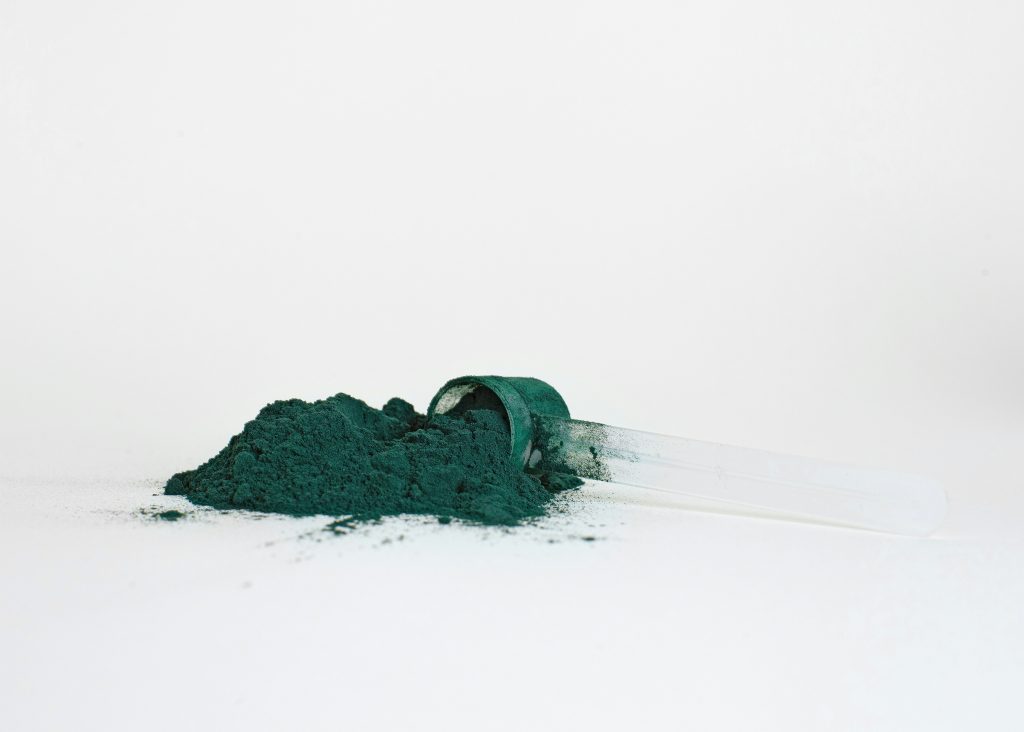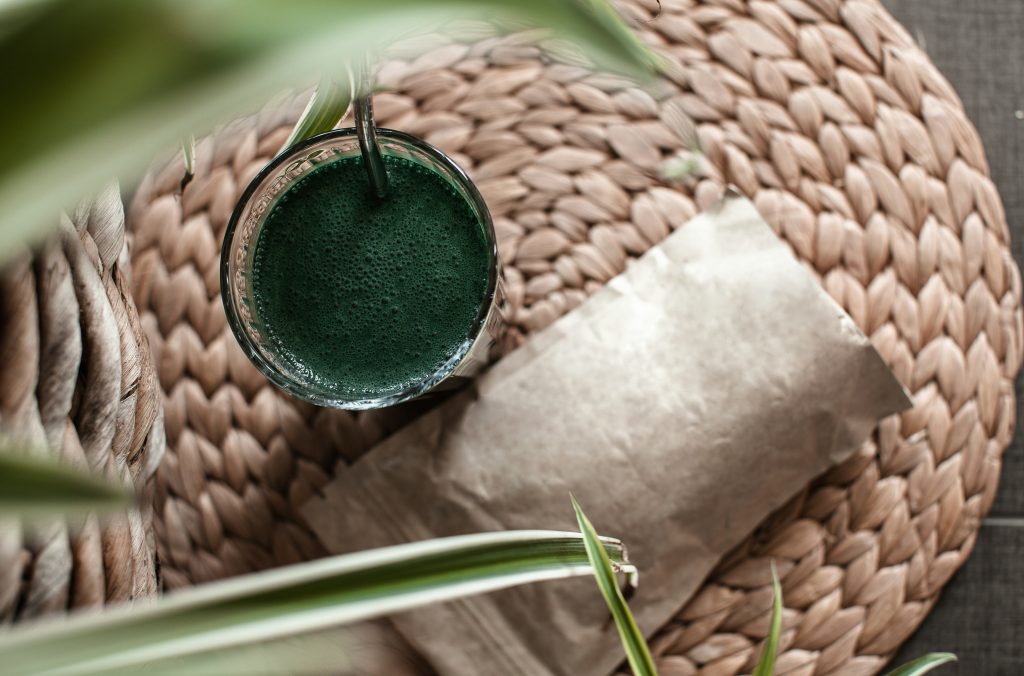
Short answer: greens powders can increase magnesium intake—but they rarely produce a meaningful rise in serum magnesium levels, especially in the short term.
If you’re using a greens powder for better mineral status, it’s important to understand how magnesium is regulated in the body—and why your blood test may not reflect real changes.
Table of Contents
ToggleWhy Greens Powder Magnesium Doesn’t Always Show Up in Blood Tests
Magnesium is tightly controlled in the body, which makes it difficult to measure accurately.
- Less than 1% of total body magnesium is found in blood
- Most is stored in bone and inside cells
- The body can pull magnesium from tissues to maintain normal blood levels
Because of this, serum magnesium often stays normal—even when intake is low.
What this means:
You can increase magnesium intake from a greens powder and still see no change on standard lab tests.
How Much Magnesium Do Greens Powders Actually Provide?
Most greens powders contain:
- 20–100 mg magnesium per serving
Compared to daily needs:
- Men: 400–420 mg
- Women: 310–320 mg
That’s only a small fraction of your daily requirement.
Absorption Matters Too
Magnesium in plant-based blends may be:
- Bound to fiber or oxalates
- Less bioavailable than supplemental forms
This can further limit how much your body actually absorbs.
What Research Says About Magnesium Intake vs Serum Levels
1. Intake Doesn’t Always Equal Higher Serum Magnesium
A cross-sectional study found no strong relationship between dietary magnesium intake and serum levels.
Translation: Eating more magnesium doesn’t guarantee higher blood levels.
2. Supplements Only Modestly Raise Serum Magnesium
A meta-analysis of randomized controlled trials showed:
- Average increase: ~0.15 mg/dL in serum magnesium
- Doses used were much higher than greens powders provide
3. Standard Blood Tests May Miss Real Improvements
Some research shows ionized magnesium can increase even when total serum magnesium does not.
This suggests:
- Blood tests may underestimate improvements
- Early or mild insufficiency may go undetected
Greens Powders vs Magnesium Supplements
If your goal is specifically improving magnesium status, the difference is significant.
Greens Powders
- Lower dose (20–100 mg)
- Variable absorption
- Broad nutrient coverage
Magnesium Supplements
- Higher dose (200–400 mg)
- Better-studied forms
- More predictable effects
Evidence-based forms:
- Magnesium glycinate → gentle, good for daily use
- Magnesium citrate → higher absorption, may support digestion
Common Misconceptions
“More magnesium intake always raises serum levels”
→ Not necessarily—levels are tightly regulated
“Greens powders replace magnesium supplements”
→ They don’t—dose and absorption differ significantly
“Normal serum magnesium means optimal status”
→ Subclinical insufficiency can still exist
Are Greens Powders Still Worth It?
Yes—but for different reasons.
Greens powders may help:
- Fill general micronutrient gaps
- Increase overall plant intake
- Support dietary consistency
They are not a reliable strategy for raising serum magnesium alone.
Contaminants and Quality: What to Watch For
Because greens powders are plant-derived, quality varies.
Potential concerns include:
- Trace heavy metals (lead, cadmium)
- Label inaccuracies
- Ingredient variability
Third-party testing (e.g., NSF, USP) helps ensure:
- Purity
- Label accuracy
- Manufacturing quality
Practical Strategy: How to Improve Magnesium Status
For most people, the most effective approach combines:
1. Magnesium-Rich Foods
- Nuts (almonds, cashews)
- Seeds (pumpkin, chia)
- Legumes
- Dark leafy greens
2. Targeted Supplementation (if needed)
- Especially if intake is consistently low
- Choose well-absorbed forms
3. Smarter Testing (if concerned)
- Serum magnesium has limitations
- Consider discussing:
- RBC magnesium
- Ionized magnesium
Bottom Line: Do Greens Powders Raise Serum Magnesium?
Greens powder magnesium intake may increase slightly—but it typically does not translate into measurable changes in serum magnesium levels.
They’re useful for general nutrition—but not a stand-alone solution for optimizing magnesium status.
Disclaimer
This content is for informational purposes only and is not a substitute for professional medical advice. Consult your healthcare provider before starting new supplements, especially if you are pregnant, nursing, or taking medications. We may earn a commission from qualifying purchases.
References
- National Institutes of Health (2022). Magnesium Fact Sheet for Health Professionals.
https://ods.od.nih.gov/factsheets/Magnesium-HealthProfessional/ - Costello, R.B., et al. (2016). Perspective: The case for an evidence-based reference interval for serum magnesium. Advances in Nutrition.
https://www.ncbi.nlm.nih.gov/pmc/articles/PMC5105038/ - Veronese, N., et al. (2022). Effect of magnesium supplementation on serum magnesium levels: A systematic review and meta-analysis. Nutrients.
https://www.mdpi.com/2072-6643/14/3/679?utm_source=chatgpt.com - Nielsen, F.H., et al. (2020). Magnesium supplementation and biomarkers of magnesium status. Magnesium Research.
https://pubmed.ncbi.nlm.nih.gov/32353962/ - Schwalfenberg, G.K., & Genuis, S.J. (2017). The importance of magnesium in clinical healthcare. Scientifica.
https://www.ncbi.nlm.nih.gov/pmc/articles/PMC5786912/