Does adding lemon to kale actually improve iron levels?
Short answer: it can help absorption—but meaningful increases in iron stores (ferritin) are often modest or inconsistent.
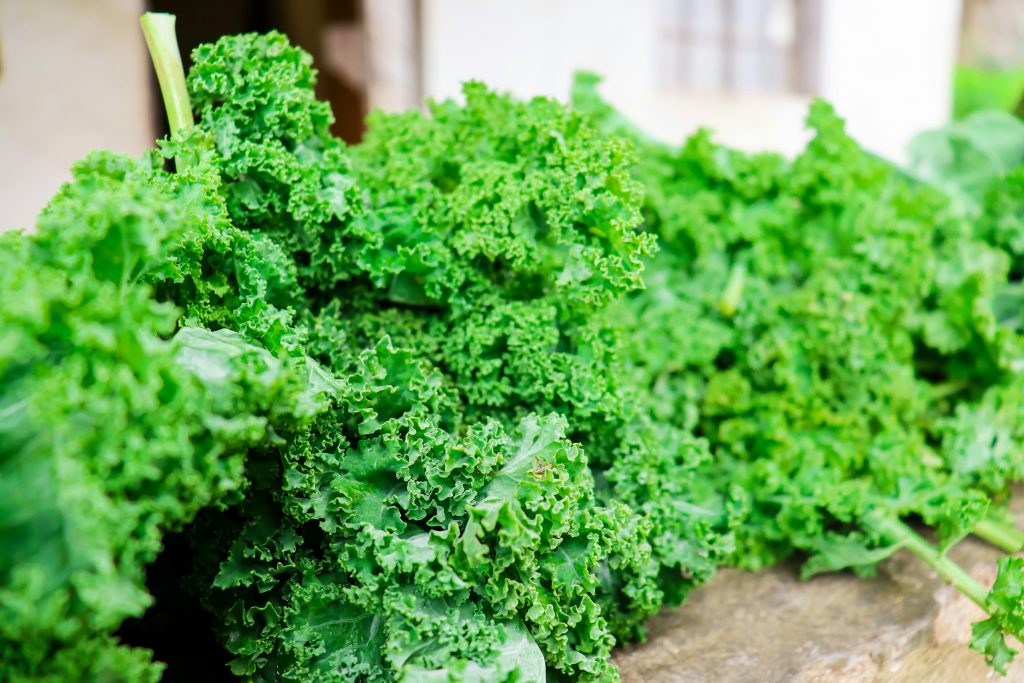
Blending kale with lemon juice is a popular “food-first” strategy to support iron intake. The logic checks out: kale provides non-heme iron, and lemon delivers vitamin C, which enhances iron absorption (NIH Office of Dietary Supplements, 2023; Hallberg et al., 1989).
However, when researchers measure real-world outcomes like ferritin (your body’s iron storage marker), results are far less dramatic than social media claims suggest (Camaschella, 2015).
Table of Contents
ToggleHow Kale Iron Absorption Works
Kale contains non-heme iron, which is more sensitive to what you eat alongside it.
What helps vs. hurts absorption
- Enhancers: Vitamin C (like lemon), organic acids
- Inhibitors: Phytates, polyphenols, and oxalates (present in leafy greens) (NIH Office of Dietary Supplements, 2023)
Vitamin C improves absorption by converting iron into a more absorbable form and keeping it soluble in the gut (Hallberg et al., 1989).
Key takeaway:
Adding lemon to kale can increase short-term absorption—but that’s only part of the story.
Why Ferritin Matters More Than Absorption
If you’re trying to improve iron status, ferritin—not absorption—is what actually matters.
Ferritin reflects stored iron and is influenced by:
- Long-term diet
- Blood loss (e.g., menstruation)
- Inflammation and metabolic health
It’s also an acute-phase reactant, meaning inflammation can raise ferritin independently of iron status (Camaschella, 2015).
This is why a single “iron-boosting smoothie” rarely translates into measurable changes.
What the Research Actually Shows
1. Vitamin C + Iron Supplementation (Best Clinical Evidence)
A randomized clinical trial found:
- No significant difference in ferritin between iron alone vs. iron + vitamin C (Zhu et al., 2020)
Interpretation:
Even when absorption improves, iron storage doesn’t always follow.
2. Meta-Analysis of RCTs
A large review found:
- Average ferritin increase: ~3.23 µg/L
Context:
- Statistically significant
- Clinically modest
- Highly variable between individuals
3. Plant-Based Iron + Vitamin C (Closest to Kale + Lemon)
- Serum iron improved
- Ferritin changes were small and not statistically significant
Bottom line:
Food-based combinations like kale + lemon may help—but effects on iron stores are limited.
Common Misconceptions
“Vitamin C dramatically boosts iron levels from greens”
True for absorption
Not strongly supported for ferritin changes
“Blending makes iron much more absorbable”
Blending may improve bioaccessibility, but there’s little human evidence showing improved ferritin.
“Kale + lemon can fix low iron”
Diet helps—but iron status depends on total intake, absorption, and physiology, not one food pairing (Camaschella, 2015).
Practical: How to Use This Daily
If you want to optimize kale iron absorption without overcomplicating things:
- Pair kale with a vitamin C source (lemon, berries, citrus)
- Avoid tea/coffee around iron-rich meals (they inhibit absorption)
- Focus on consistent daily intake, not one-off smoothies
- Consider combining plant + animal iron sources if possible
Top Evidence-Based Options (Simple Upgrades)
These aren’t magic—but they improve consistency and adherence:
- High-speed blender (Vitamix, Ninja): smoother texture = easier daily habit
- Fresh or cold-pressed lemon juice: reliable vitamin C source
- Third-party tested greens powders (NSF/USP): useful backup when fresh produce isn’t available
Look for powders tested for contaminants and label accuracy—quality varies widely.
What We Still Don’t Know
- No direct trials on kale + lemon smoothies and ferritin
- Limited long-term, real-world nutrition studies
- No clear vitamin C dose-response from whole foods
Bottom Line: Is Kale + Lemon Worth It?
Pairing kale with lemon is biologically sound and low-risk.
But based on current evidence:
- It may improve iron absorption
- It may slightly influence ferritin
- It is not a reliable fix for low iron on its own
If you’re tracking progress, ferritin—not theory—is what matters.
Disclaimer
This content is for informational purposes only and is not a substitute for professional medical advice. Consult your healthcare provider before starting new supplements or making dietary changes. We may earn a commission from qualifying purchases.
References
- NIH Office of Dietary Supplements. (2023). Iron Fact Sheet for Health Professionals.
https://ods.od.nih.gov/factsheets/Iron-HealthProfessional/ - Hallberg, L., Brune, M., & Rossander, L. (1989). The role of vitamin C in iron absorption. International Journal for Vitamin and Nutrition Research Supplement.
- Camaschella, C. (2015). Iron-deficiency anemia. New England Journal of Medicine.
https://www.nejm.org/doi/full/10.1056/NEJMra1401038 - Zhu, Y. I., et al. (2020). Vitamin C supplementation and iron deficiency anemia. JAMA Network Open.
https://jamanetwork.com/journals/jamanetworkopen/fullarticle/2772395 - Deng, J., et al. (2024). Efficacy of vitamin C with iron supplementation in patients with iron deficiency anemia: A systematic review and meta-analysis. Blood Vessels, Thrombosis & Hemostasis. https://pubmed.ncbi.nlm.nih.gov/40765927/