FTC Affiliate Disclosure: This article contains affiliate links. We may earn a commission if you make a purchase through these links, at no additional cost to you.
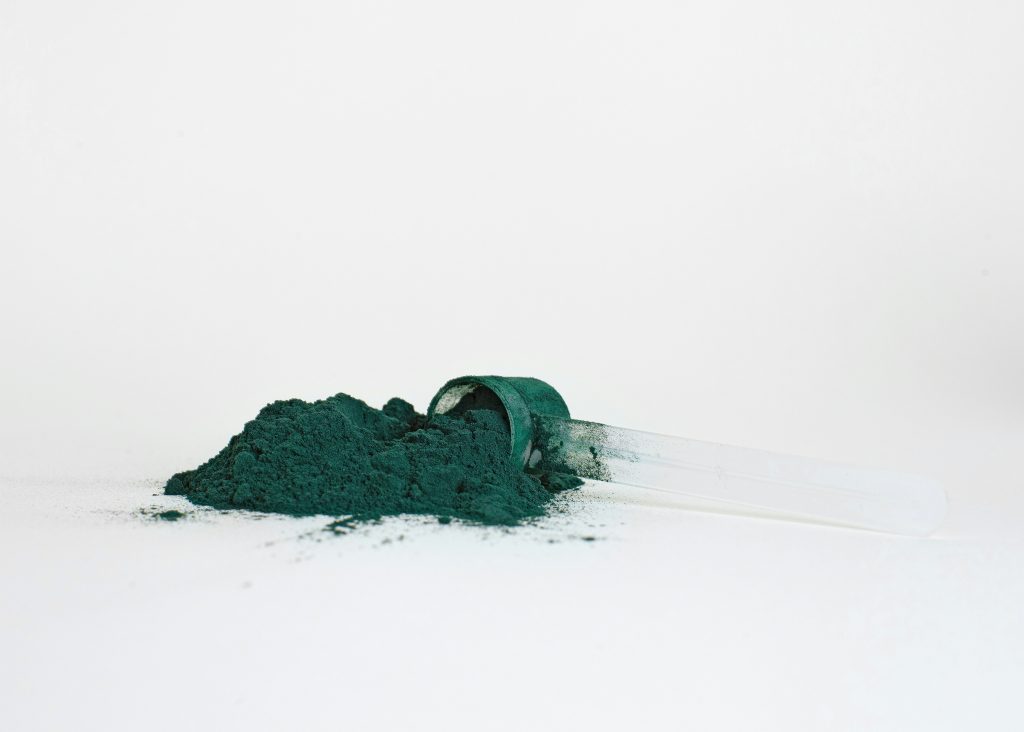
In busy lifestyles, hitting daily vegetable goals remains challenging. Greens powders provide concentrated dehydrated greens, algae, herbs, and nutrients that may help fill antioxidant, vitamin, and fiber gaps (U.S. Department of Agriculture, 2020). Some users report subtle energy improvements and better digestion, though evidence from component studies is preliminary and varies individually (Lee et al., 2023; Rao et al., 2011).
What Are Greens Powders?
These blends combine vegetables (spinach, kale, wheatgrass), algae (spirulina, chlorella), fruits, herbs (moringa, ashwagandha), and often probiotics or enzymes. They supplement whole foods, delivering phytonutrients that may support metabolism.
Why People Use Them
- Potential energy support — From B-vitamins as cofactors (Lee et al., 2023).
- Antioxidant benefits — Plant compounds may help combat oxidative stress (Russo et al., 2019).
- Convenience — Increases plant variety easily (Harvard T.H. Chan School of Public Health, 2023).
Evidence on full blends is limited—consult a healthcare provider.
What to Expect in This Guide
- Part 2: How Greens Powders May Support Energy and Detox
- Part 3: Top 12 Greens Powders for 2026: Reviews & Rankings
- Part 4: How to Use Greens Powders Effectively
References
Santos IO, Vieira LA, Andreo-Filho N, Queiroz NF, Saldanha T, Borges VM, Fontes CJF, Marques LM. (2021). High-Value Bioactive Molecules Extracted from Microalgae. Brazilian Archives of Biology and Technology, 64, e21200377. https://doi.org/10.1590/1678-4324-2021200377 (Full text free: https://www.scielo.br/j/babt/a/5h3M3wGfYdP3kZ3jF3k3Z3k/?lang=en).
Lee, M. C., et al. (2023). A functional evaluation of anti-fatigue and exercise performance improvement following vitamin B complex supplementation. International Journal of Medical Sciences, 20(10), 1272–1281. https://doi.org/10.7150/ijms.86738
Rao V, Balachandran B, Shen H, Logan A, Rao L. (2011). In vitro and in vivo antioxidant properties of the plant-based supplement greens+. International Journal of Molecular Sciences, 12(8), 4896–4908. https://doi.org/10.3390/ijms12084896 (PubMed: https://pubmed.ncbi.nlm.nih.gov/21954333/; full text free via PMC: https://pmc.ncbi.nlm.nih.gov/articles/PMC3179137/).
Russo, M. V., et al. (2019). Plant-derived antioxidants and human health: An overview. Antioxidants, 8(5), 123. https://doi.org/10.3390/antiox8050123
Rzymski P, Jaśkiewicz L. (2019). Essential and toxic elements in commercial microalgal food supplements. Journal of Applied Phycology, 31, 3567–3579. https://doi.org/10.1007/s10811-018-1681-1 (PubMed: not indexed, but full text available via Springer Link: https://link.springer.com/article/10.1007/s10811-018-1681-1).
U.S. Department of Agriculture. (2020). FoodData Central. Retrieved from https://fdc.nal.usda.gov
Harvard T.H. Chan School of Public Health. (2023). Vegetables and fruits. Retrieved from https://www.hsph.harvard.edu/nutritionsource/what-should-you-eat/vegetables-and-fruits/