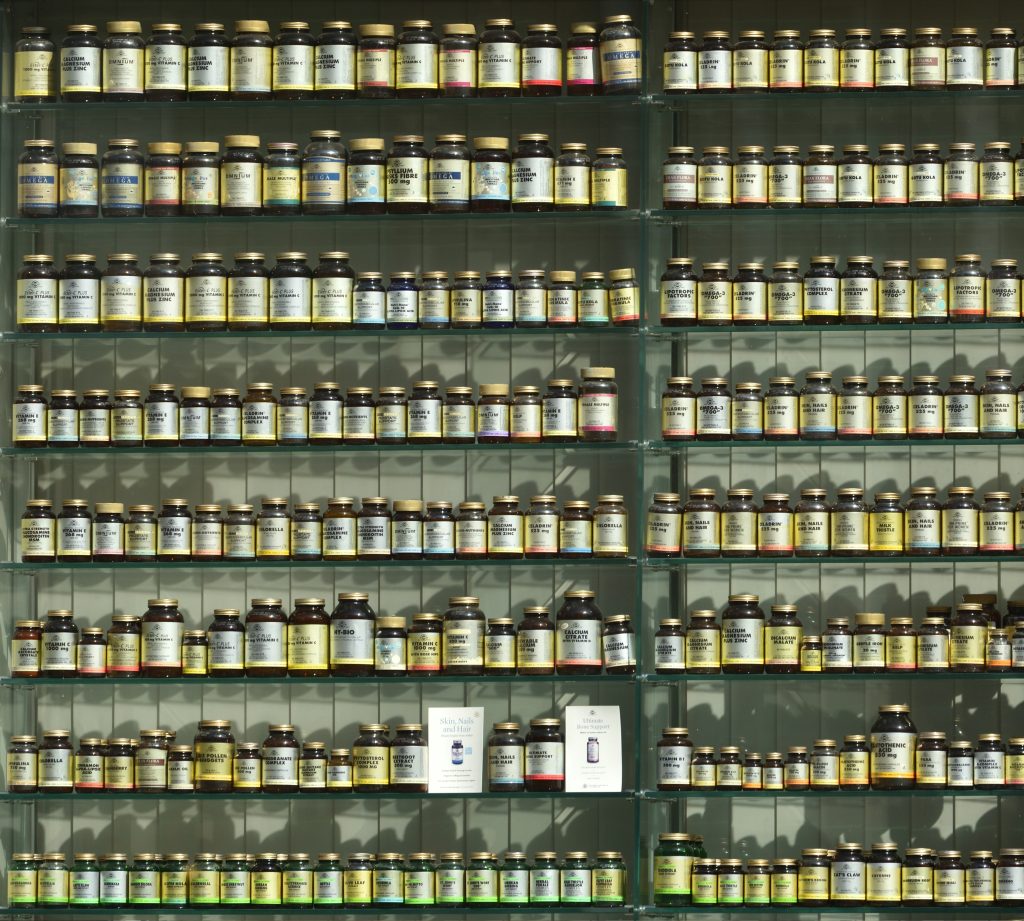
Many adults turn to magnesium supplements to support better sleep, especially during periods of occasional restlessness. Forms like glycinate, L-threonate, and taurate have gained attention, but the evidence varies by type. This evidence-based guide reviews the latest research with caution.
Table of Contents
- Part 1: Best Magnesium for Sleep 2026: Glycinate vs Threonate vs Taurate – What the Latest Research Says (Current)
- Part 2: Magnesium Glycinate for Sleep: Benefits, Evidence, and Quality Considerations → [Link to Part 2]
- Part 3: Magnesium L-Threonate for Sleep and Brain Health: Emerging Research and Real-World Insights → [Link to Part 3]
- Part 4: Magnesium Taurate and Other Forms: Bioavailability, Safety, and When They Might Fit → [Link to Part 4]
Part 1: What the Latest Research Says About Magnesium and Sleep
Magnesium plays a role in hundreds of bodily processes, including muscle relaxation and circadian rhythm regulation (Arab et al., 2023). Observational studies associate higher magnesium intake or blood levels with improved sleep quality, longer sleep duration, and reduced daytime sleepiness (Arab et al., 2023).
Intervention Trials: The Mixed Picture
A 2021 meta-analysis of older adults found that magnesium supplementation may reduce sleep onset latency by about 17 minutes, with limited effects on total sleep time (Mah & Pitre, 2021). Recent reviews suggest modest improvements in subjective sleep quality, especially for those with magnesium deficiency or mild sleep concerns, though results are inconsistent due to small sample sizes and reliance on self-reported data (Arab et al., 2023). Large-scale, long-term studies using objective measures like polysomnography remain limited.
Glycinate, L-Threonate, and Taurate: Form-Specific Findings
No head-to-head trials directly compare these forms for sleep outcomes. Available evidence differs by form:
- Magnesium Glycinate — A 2025 randomized trial in adults with poor sleep showed modest reductions in insomnia severity scores after four weeks (Schmid et al., 2025). Its chelation with glycine may enhance calming effects (Arab et al., 2023).
- Magnesium L-Threonate — A 2024 trial in adults with self-reported sleep issues reported improvements in subjective sleep quality, objective deep/REM stages (measured via wearables), and daytime mood and energy (Hausenblas et al., 2024).
- Magnesium Taurate — Specific sleep research is limited, with no recent RCTs focused on sleep outcomes. It pairs magnesium with taurine, which has calming associations, but combined effects lack strong human trial support (Uysal et al., 2019).
Organic forms like glycinate and threonate typically offer better bioavailability than inorganic options (Blancquaert et al., 2019; Schmid et al., 2025).
Misconceptions vs. Reality
Magnesium is often marketed as a surefire sleep aid. In practice, it may support relaxation for those with low magnesium levels, but it doesn’t replace good sleep hygiene or professional evaluation for chronic insomnia (Mah & Pitre, 2021). Individual responses can vary widely.
Quality and Regulatory Context
Supplements cannot claim to treat insomnia per FDA guidelines. Opt for third-party tested products (e.g., NSF or USP certified) to ensure purity and minimize contaminants.
What We Still Don’t Know
More research is needed on direct comparisons, long-term effects, optimal dosing, and objective measures in larger trials.
Practical Takeaways
Limited evidence indicates magnesium may modestly support mild sleep issues, particularly glycinate or threonate forms (Arab et al., 2023; Mah & Pitre, 2021). Start with low doses, choose tested products, and consult a healthcare provider.
Keep reading → Part 2: Magnesium Glycinate for Sleep
References
Arab, A., Rafie, N., Amani, R., & Shirani, F. (2023). The role of magnesium in sleep health: a systematic review of available literature. Biological Trace Element Research, 201(1), 121–128. https://doi.org/10.1007/s12011-022-03162-1
Blancquaert, L., Vervaet, C., & Derave, W. (2019). Predicting and testing bioavailability of magnesium supplements. Nutrients, 11(7), 1663. https://doi.org/10.3390/nu11071663
Hausenblas, H. A., Lynch, T., Hooper, S., Shrestha, A., Rosendale, D., & Gu, J. (2024). Magnesium-L-threonate improves sleep quality and daytime functioning in adults with self-reported sleep problems: A randomized controlled trial. Sleep Medicine: X, 8, 100121. https://doi.org/10.1016/j.sleepx.2024.100121
Mah, J., & Pitre, T. (2021). Oral magnesium supplementation for insomnia in older adults: a systematic review & meta-analysis. BMC Complementary Medicine and Therapies, 21(1), 125. https://doi.org/10.1186/s12906-021-03297-z
Schmid, C., et al. (2025). Magnesium bisglycinate supplementation in healthy adults reporting poor sleep: A randomized, placebo-controlled trial. Nature and Science of Sleep, 17, 2027–2040. https://doi.org/10.2147/NSS.S524348
Slutsky, I., et al. (2010). Enhancement of learning and memory by elevating brain magnesium. Neuron, 65(2), 165–177. https://doi.org/10.1016/j.neuron.2009.12.026
Uysal, N., et al. (2019). Timeline (bioavailability) of magnesium compounds in hours: Which magnesium compound works best? Biological Trace Element Research, 187(1), 128–136. https://doi.org/10.1007/s12011-018-1351-9