Vitamin D is essential for bone health, immune function, and metabolic regulation, and its status can vary widely due to sun exposure, diet, and supplementation. Many wellness enthusiasts use green powders and multi-supplement stacks daily, but questions remain about whether monitoring vitamin D at home provides actionable insights. Evidence indicates that while home tests can track trends and detect deficiency risk, they should be interpreted in context with diet, lifestyle, and overall nutrient intake. Regular monitoring may help tailor supplement routines, but results should not replace professional guidance.
This article contains affiliate links, meaning we may earn a commission if you make a purchase through these links at no additional cost to you.
Disclosure: We are a professional review site that receives compensation from the companies whose products we review. Results are not typical and your results may vary.
Table of Contents
ToggleWhy Vitamin D Monitoring Matters
Vitamin D levels influence the effectiveness of many nutritional strategies:
- Supports calcium absorption and bone mineralization.
- Plays a role in immune regulation and inflammation control.
- Interacts with magnesium, vitamin K2, and other micronutrients commonly found in green powders and supplement stacks.
Home testing kits measure 25(OH)D, the circulating form of vitamin D, providing insight into sufficiency, insufficiency, or deficiency.
What Research Actually Shows
- Accuracy of Home Tests: Several studies report that validated at-home finger-prick or saliva tests correlate moderately with laboratory serum 25(OH)D measurements, making them useful for trend tracking.
- Guiding Supplementation: Tracking allows adjustments to vitamin D intake from green powders, fortified foods, or standalone supplements, helping to avoid under- or over-supplementation.
- Nutrient Interactions: Adequate vitamin D status may enhance calcium and magnesium utilization, both of which are often present in green powders.
Mechanisms Behind Optimization
- Feedback on Supplement Dose: Regular monitoring provides data to fine-tune dosage and timing of vitamin D–containing supplements.
- Synergy with Other Nutrients: Knowing vitamin D status helps optimize stacks containing magnesium, zinc, vitamin K2, and plant-based antioxidants to support bone and immune function.
- Lifestyle Adjustments: Test results can inform lifestyle changes, such as increased sun exposure or dietary modifications, complementing supplement strategies.
Real-World Effectiveness on Supplement Stacks
Users who track vitamin D at home may experience:
- Improved Consistency: Adjusting green powder or supplement intake based on actual levels rather than guesswork.
- Reduced Risk of Deficiency: Detecting low levels early allows targeted supplementation before deficiency-related issues emerge.
- Evidence-Based Stack Planning: Data-driven adjustments can balance nutrient intake and minimize unnecessary supplementation.
Misconceptions vs Reality
- “Home Tests Are Definitive”: They provide trends, not diagnostic precision. Lab confirmation is advisable for clinical decisions.
- “More Supplements = Better Vitamin D”: Over-supplementation can cause toxicity; monitoring helps avoid excessive intake.
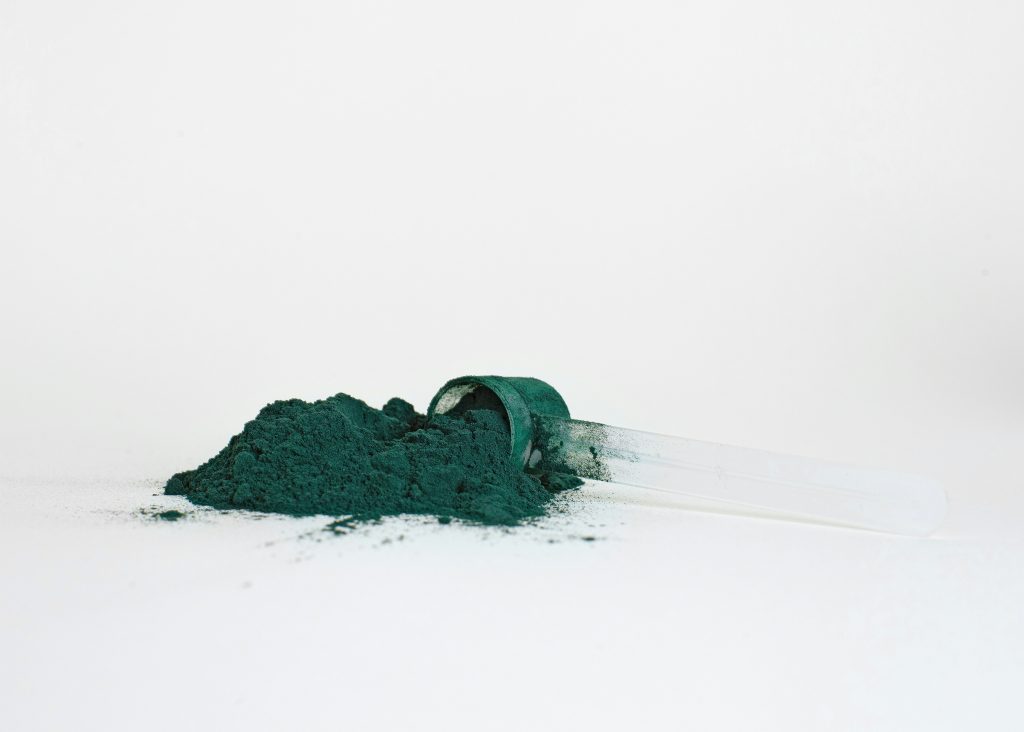
- “Green Powders Alone Meet Needs”: Many greens powders contain low to moderate vitamin D; tracking ensures sufficiency.
Safety Considerations
- Vitamin D toxicity is rare but possible at high doses (>10,000 IU/day over time).
- Home testing is generally safe, but finger-prick tests require sterile handling.
- Individuals with kidney disease, hypercalcemia, or other chronic conditions should consult healthcare professionals before adjusting doses.
Quality Considerations
- Choose home kits validated against serum 25(OH)D measurements.
- Look for green powders with third-party testing for nutrient content and contaminants.
- Check supplement labels for IU or microgram content to align with personal goals.
What We Still Don’t Know
- Long-term impact of adjusting green powder stacks solely based on home vitamin D tracking.
- Optimal frequency of at-home testing for healthy adults versus high-risk groups.
- Interaction effects of complex supplement stacks on bioavailable vitamin D status.
Conclusion
Tracking vitamin D with at-home tests can provide valuable guidance for optimizing green powders and supplement stacks. While trends may help fine-tune dosing and nutrient balance, home tests should complement, not replace, professional evaluation and lab testing when needed. Data-driven supplementation helps reduce deficiency risk, improve stack effectiveness, and align nutrient intake with individual needs.
References
- Evaluation, treatment, and prevention of vitamin D deficiency: an Endocrine Society clinical practice guideline. https://pubmed.ncbi.nlm.nih.gov/21646368/
- VITAMIN D STATUS: MEASUREMENT, INTERPRETATION AND CLINICAL APPLICATION. https://pmc.ncbi.nlm.nih.gov/articles/PMC2665033/
- Low vitamin D status: definition, prevalence, consequences, and correction. https://pubmed.ncbi.nlm.nih.gov/20511052/
- Comparison of vitamin D2 and vitamin D3 supplementation in raising serum 25-hydroxyvitamin D status: a systematic review and meta-analysis. https://pubmed.ncbi.nlm.nih.gov/22552031/
- Clinical Utility of Vitamin D Testing. https://pmc.ncbi.nlm.nih.gov/articles/PMC3377517/