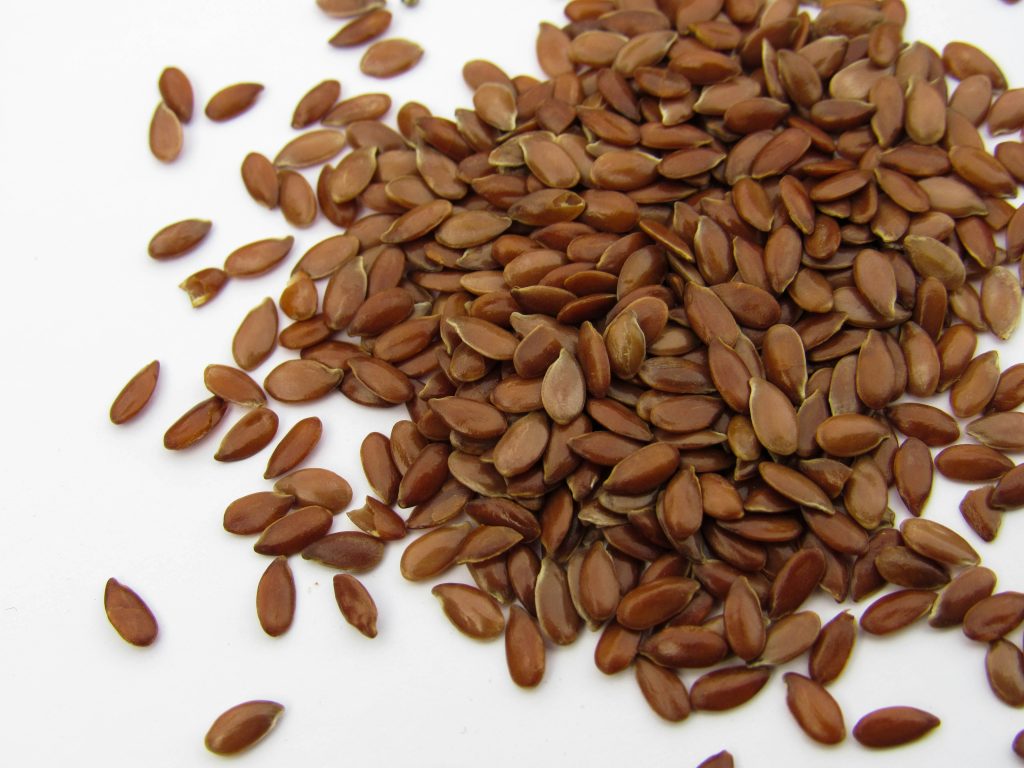
Adding one tablespoon of ground flaxseed to a daily smoothie is often promoted as an easy way to boost omega-3 intake. Flaxseed is one of the richest plant sources of alpha-linolenic acid (ALA)—an essential omega-3 fatty acid linked to several cardiometabolic health markers in observational research (Goyal et al., 2014).
But an important nuance is often overlooked: the Omega-3 Index, a commonly used biomarker of omega-3 status, measures EPA and DHA in red blood cells, not ALA. Because ALA must first be converted into these longer-chain fatty acids, the relationship between flaxseed intake and Omega-3 Index scores is not always straightforward.
So the practical question many smoothie drinkers ask is:
Is one tablespoon of flaxseed enough to meaningfully raise Omega-3 Index levels over several months?
Current evidence suggests it may contribute to overall omega-3 intake, but significant changes in the Omega-3 Index from ALA alone appear less predictable.
Table of Contents
ToggleWhat the Omega-3 Index Actually Measures
The Omega-3 Index is a blood biomarker that measures the percentage of EPA (eicosapentaenoic acid) and DHA (docosahexaenoic acid) incorporated into red blood cell membranes (Harris & von Schacky, 2004).
Because red blood cells live about 120 days, the test reflects long-term omega-3 intake over roughly 3–4 months.
Researchers often interpret Omega-3 Index levels broadly:
Omega-3 Index | General Interpretation |
<4% | Lower omega-3 status |
4–8% | Moderate range |
>8% | Higher range associated with lower cardiovascular risk in observational studies |
These ranges are not diagnostic thresholds, but they are widely used in nutrition research evaluating omega-3 intake patterns (Harris & von Schacky, 2004).
How Much Omega-3 Is in One Tablespoon of Flaxseed?
Ground flaxseed is extremely rich in ALA, the plant-based omega-3 fatty acid.
According to the USDA FoodData Central database, one tablespoon (~10 g) of ground flaxseed provides approximately:
- ≈2.3 grams of ALA
For comparison, the Adequate Intake (AI) levels for ALA are estimated at:
- 1.6 g/day for adult men
- 1.1 g/day for adult women
(NIH Office of Dietary Supplements, 2022)
In other words, a single tablespoon of flaxseed can exceed the daily recommended intake of plant-based omega-3s.
However, the Omega-3 Index does not measure ALA.
The Conversion Bottleneck: ALA → EPA → DHA
ALA is an essential fatty acid, meaning the body cannot produce it and must obtain it from food (NIH Office of Dietary Supplements, 2022).
However, most research linking omega-3s with cardiometabolic outcomes focuses on EPA and DHA, which are primarily found in marine foods.
The body can convert ALA into these longer-chain omega-3s through enzymatic pathways, but conversion efficiency is limited.
Estimated conversion ranges in adults:
- ALA → EPA: ~7–21%
- ALA → DHA: often below 1%
(Burdge & Calder, 2005)
Conversion efficiency varies widely depending on factors such as:
- genetics
- sex
- omega-6 intake
- overall dietary fat composition
- metabolic health
These metabolic constraints help explain why plant omega-3 sources do not always translate into large changes in EPA/DHA biomarkers.
What Human Trials Show When People Consume ALA
Controlled nutrition studies examining ALA intake show a consistent pattern.
In a clinical study where participants consumed ~3 g of ALA daily for 12 weeks, researchers observed increases in:
- EPA
- DPA (docosapentaenoic acid)
However, DHA levels did not significantly increase (Burdge et al., 2006).
This finding aligns with broader metabolic research showing that ALA is more readily converted into EPA than DHA.
Because the Omega-3 Index is based on EPA + DHA levels, limited DHA conversion may partially explain why ALA intake alone does not always produce large increases in the index.
Dose Matters: What Studies Use vs Smoothie Recipes
Another overlooked factor is dosage.
Many dietary trials studying flaxseed use amounts larger than typical smoothie servings.
Study Type | Approximate Dose | Duration |
Flaxseed cardiometabolic trials | ~30 g/day milled flaxseed | ~12 weeks |
ALA supplementation trials | ~3 g/day ALA | ~12 weeks |
For comparison:
- 1 tablespoon flaxseed: ~7–10 g
- 30 g flaxseed: roughly 3–4 tablespoons
This difference in intake may influence how strongly blood fatty-acid profiles change during intervention studies.
Quality Matters: Flaxseed Processing and Oxidation
Flaxseed is rich in polyunsaturated fats, which can oxidize if exposed to heat, air, or light during processing and storage.
Quality testing programs sometimes evaluate products for:
- heavy metals
- microbial contamination
- pesticide residues
- fatty-acid oxidation
Independent verification programs include:
- NSF International
- USP Verified
- ConsumerLab
While third-party testing does not guarantee purity, it can provide additional transparency about product quality and label accuracy.
Practical Takeaway for Smoothie Drinkers
Adding one tablespoon of flaxseed to a daily smoothie is a simple way to increase intake of alpha-linolenic acid, an essential omega-3 fatty acid.
However, current evidence suggests:
- ALA intake can increase certain omega-3 fatty acids in blood.
- DHA changes are often minimal due to limited conversion.
- The Omega-3 Index specifically measures EPA and DHA, not ALA.
As a result, one tablespoon of flaxseed alone may not consistently produce large increases in Omega-3 Index scores over 16 weeks, though individual responses can vary.
Factors influencing outcomes include:
- baseline diet
- marine omega-3 intake
- genetics
- omega-6 intake
- metabolic health
Evidence-Based Ways People Monitor Omega-3 Status
People interested in optimizing omega-3 intake often track biomarkers, including:
- Omega-3 Index blood tests
- full fatty-acid panels
- cardiovascular biomarker panels
Some at-home testing kits now allow individuals to measure Omega-3 Index levels using finger-prick blood samples, which can help track changes after dietary adjustments.
Consult a healthcare professional before beginning new supplement or testing routines.
References
Harris, W. S., & von Schacky, C. (2004). The Omega‑3 Index: a new risk factor for death from coronary heart disease? Preventive Medicine, 39(1), 212–220. https://www.sciencedirect.com/science/article/abs/pii/S0091743504000878?via%3Dihub
Burdge, G. C., & Calder, P. C. (2005). Conversion of alpha-linolenic acid to longer-chain polyunsaturated fatty acids in human adults. Reproduction Nutrition Development.
https://pubmed.ncbi.nlm.nih.gov/16188209/
Burdge, G. C., et al. (2006). Effect of altered dietary n-3 fatty acid intake upon plasma lipid fatty acid composition. American Journal of Clinical Nutrition.
https://pubmed.ncbi.nlm.nih.gov/16365063/
Goyal, A., et al. (2014). Flax and flaxseed oil: An ancient medicine and modern functional food. Journal of Food Science and Technology.
https://www.ncbi.nlm.nih.gov/pmc/articles/PMC4152533/
NIH Office of Dietary Supplements. (2022). Omega-3 Fatty Acids Fact Sheet for Health Professionals.
https://ods.od.nih.gov/factsheets/Omega3FattyAcids-HealthProfessional/