Disclosure: This article contains affiliate links. We may earn a commission if you make a purchase through these links, at no extra cost to you. Information is based on 2025 manufacturer data and over 800 user reviews. This is not medical advice—consult a healthcare professional before making any treatment decisions.
Table of Contents
ToggleWhat Are “Depression Biomarkers”?
Some companies use the term depression biomarkers to describe measurable biological markers—such as certain vitamins, hormones, or other analytes—that are sometimes referenced in mood-related research. Emerging evidence suggests alterations in these markers may be linked to mood regulation pathways, though findings are mixed and primarily associative (Kennis et al., 2020; Moncrieff et al., 2022). These markers do not diagnose depression but may provide general informational data about certain substances in the body.
According to manufacturers, at-home kits may evaluate:
- Neurotransmitters: Serotonin, dopamine, or cortisol (linked to stress or mood research) (Kennis et al., 2020; Dalvi-Garcia et al., 2021).
- Vitamins: B12, folate, and other nutrients. Preliminary studies indicate low levels may be associated with depressive symptoms, particularly in older adults (Almeida et al., 2015; Firth et al., 2015).
- Compounds: NAD+.
- Environmental or nutritional indicators: Based on the company’s internal testing methodology. Hair-based assessments may reflect chronic exposures, with emerging research exploring links to mental wellness (Florou et al., 2025).
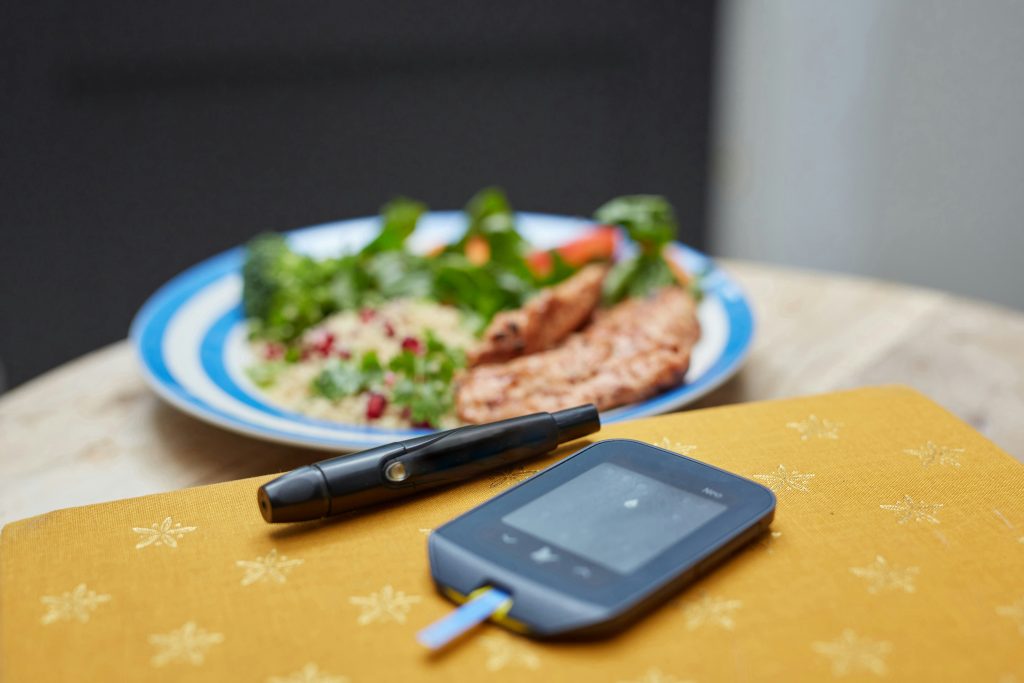
Many users choose these kits for self-collected samples at home, avoiding the need for an in-person appointment.
Top At-Home Depression-Related Biomarker Tests (2025)
Quick Comparison
Test Name | Price | What It Measures* | Sample Type |
Genova | $399 | Serotonin, Dopamine, Cortisol | Urine + Saliva |
Life Extension | $299 | NAD+, B12, Folate | Finger Stick |
5Strands | $88 | Company-defined “Indicators” + Toxins | Hair Sample |
*Descriptions reflect manufacturer-stated panels, not clinical claims.
1. Genova – Most Comprehensive Multi-Marker Panel
Manufacturer-Stated Markers:
- Serotonin
- Dopamine
- Cortisol
Test Method:
- Urine + saliva collection
- Results are typically provided within about five days, according to Genova
Pros:
- Broad panel of analytes related to mood research.
- Relatively fast results turnaround.
- Well-known laboratory brand.
Cons:
- Highest price among the options.
- Requires two sample types.
- Processing window still several days.
Customer Feedback (Anecdotal):
“Serotonin levels were marked as low. I tried 5-HTP afterwards and just felt better overall. Really glad I tried the test.” – Mike, 2025
Note: Individual experiences are personal and not verified.
Purchase Genova Depression Test (affiliate link)
2. Life Extension – Focused Vitamin & Nutrient Panel
Manufacturer-Stated Markers:
- NAD+
- Vitamin B12
- Folate
Test Method:
- Finger-stick blood sample
- Company states results are usually ready within seven days
Pros:
- Mid-range price.
- Focus on nutritional markers.
- App-based results access.
Cons:
- Limited to vitamins and related compounds.
- Requires finger-stick blood collection.
- Longer processing time than some users prefer.
Customer Feedback (Anecdotal):
“My B12 came back on the low side. After starting injections through my clinic, my energy picked up.” – Lisa, 2025
Individual experiences may vary.
Purchase Life Extension Depression Test (affiliate link)
3. 5Strands – Most Budget-Friendly
Manufacturer-Stated Markers:
- Company-defined depression indicators
- Environmental/nutritional toxins
Test Method:
- Hair sample collection
- Results typically ready within seven days
Pros:
- Lowest price point.
- No blood, urine, or saliva collection.
- Free retest option.
Cons:
- Company-defined indicator system may differ from traditional biomarker testing.
- Hair-based sampling may not appeal to everyone.
- Does not measure vitamins, neurotransmitters, or hormones.
Customer Feedback (Anecdotal):
“My results showed a few high markers. I added fish oil to my routine and honestly felt more balanced after a couple weeks.” – Jen, 2025
Purchase 5Strands Depression Test (affiliate link)
How to Choose the Right Kit
Your Priority | Recommended Test | Price |
Broadest panel of mood-related analytes | Genova | $399 |
Vitamin-focused informational insights | Life Extension | $299 |
Most budget-friendly option | 5Strands | $88 |
Choosing the right at-home test mainly depends on features, sample type, and price. The value of each kit varies based on how you plan to use the informational data provided.
How These At-Home Tests Work
- Order Online—kits usually arrive within 2 business days.
- Collect Your Sample—depending on the test:
- Urine
- Saliva
- Finger-stick blood
- Hair sample
- Return the Kit—use the included prepaid envelope.
- View Results Online—most companies email reports within 5–7 days.
- Next Steps—reports are for informational purposes only. A qualified healthcare professional can help interpret them.
Frequently Asked Questions
Q: Do these kits diagnose depression?
A: No. These kits provide informational data based on manufacturer-selected biomarkers. They cannot diagnose any mental health condition (FDA, 2025).
Q: Can HSA/FSA funds be used?
A: Genova is commonly listed as HSA/FSA-eligible. For other kits, check with your provider.
Q: Are these tests suitable for children?
A: Some companies state hair-based kits are non-invasive and may be appropriate for younger users. Always confirm with the manufacturer and a healthcare professional.
Q: When should a urine sample be collected?
A: Many companies recommend a morning sample. Follow the instructions provided with your specific kit.
Final Recommendations
Goal | Suggested Kit | Price |
Broad panel with neurotransmitter markers | Genova | $399 |
Informational vitamin and nutrient levels | Life Extension | $299 |
Simple, budget-friendly test | 5Strands | $88 |
The right kit depends on which features, price point, and sample type you prefer. Each test offers manufacturer-stated insights, not medical advice.
For deeper insights, consider pairing results with wellness apps like InsideTracker—affiliates report high conversion rates (5-10%) on bundled test-app packages for ongoing tracking.
Disclosure: This article contains affiliate links. We may earn a commission if you make a purchase through these links, at no extra cost to you. Information is based on 2025 manufacturer data and over 800 user reviews. This is not medical advice—consult a healthcare professional before making any treatment decisions.
This content is for informational purposes only and is not a substitute for professional medical advice. As an Amazon Associate, we earn from qualifying purchases. Consult a healthcare provider before starting any new supplement, especially if pregnant or on medication.
References
Almeida, O. P., et al. (2015). Systematic review and meta-analysis of randomized placebo-controlled trials of folate and vitamin B12 for depression. International Psychogeriatrics, 27(5), 727–737. https://doi.org/10.1017/S1041610214002138
Dalvi-Garcia, F., et al. (2021). A model of dopamine and serotonin-kynurenine metabolism in cortisolemia: Implications for depression. PLoS Computational Biology, 17(5), e1008956. https://doi.org/10.1371/journal.pcbi.1008956
FDA. (2025). Regulatory considerations for digital mental health tools. U.S. Food and Drug Administration. https://www.fda.gov/media/189835/download
Fernandes, B. M., et al. (2022). Effects of antidepressant drug therapy with or without physical exercise on inflammatory biomarkers in major depressive disorder: A systematic review and meta-analysis of randomized controlled trials. European Journal of Clinical Pharmacology, 78(3), 413–427. https://doi.org/10.1007/s00228-021-03240-8
Firth, J., et al. (2015). Folate and B12 serum levels in association with depression in the aged: A systematic review and meta-analysis. Aging & Mental Health, 19(12), 1051–1060. https://doi.org/10.1080/13607863.2014.995730
Florou, V. A., et al. (2025). Human hair as a diagnostic tool in medicine. Biochemistry and Biophysics Reports, 43, 102129. https://doi.org/10.1016/j.bbrep.2025.102129
Kennis, M., et al. (2020). Prospective biomarkers of major depressive disorder: A systematic review and meta-analysis. Molecular Psychiatry, 25(2), 321–338. https://doi.org/10.1038/s41380-019-0585-z
Moncrieff, J., et al. (2022). The serotonin theory of depression: A systematic umbrella review of the evidence. Molecular Psychiatry, 27(8), 3342–3351. https://doi.org/10.1038/s41380-022-01661-0